
Celebrating the small business and entrepreneurial spirit! Join us in promoting your brand!

Celebrating the small business and entrepreneurial spirit! Join us in promoting your brand!

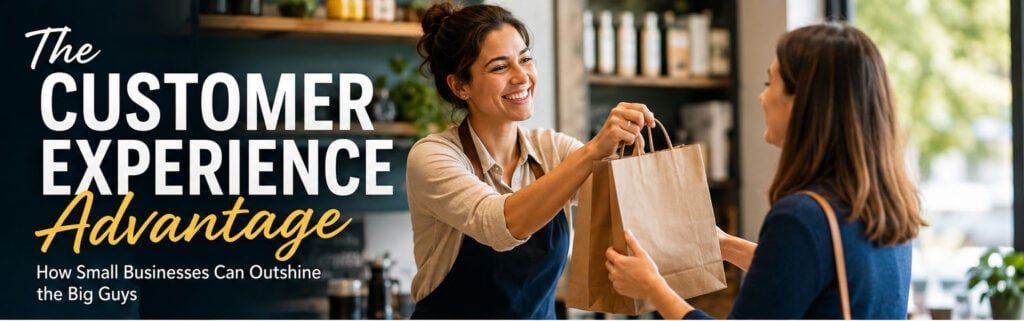
The Customer Experience Advantage How Small Businesses Can Outshine the Big Guys

By Deb Ammerman

Imagine walking into two different businesses.

In the first, no one acknowledges you. Employees seem distracted. Questions are answered with one-word responses. You leave feeling like just another transaction.

In the second, you’re greeted by name. Someone remembers your last visit. They ask about your family, your business, or the project you mentioned months ago. When you leave, you feel valued, appreciated, and eager to return.

Which business gets your loyalty?

The answer seems obvious, yet many business owners focus so heavily on products, services, pricing, and marketing that they overlook one of the most powerful competitive advantages available: customer experience.

For small businesses, customer experience isn’t just important—it’s often the secret weapon that allows them to compete against larger companies with bigger budgets, larger staffs, and more resources.

The good news? Creating an exceptional customer experience doesn’t require millions of dollars. It requires intention, consistency, and a genuine commitment to making customers feel valued.
The Customer Experience Advantage How Small Businesses Can Outshine the Big Guys

Today’s consumers have more choices than ever before.

They can shop online, compare prices instantly, read reviews, and find alternatives with just a few clicks.

If price were the only factor, most small businesses would struggle to compete against giant corporations. Fortunately, customers often choose businesses based on something far more powerful than price.

They choose how a business makes them feel.

People remember experiences long after they forget prices.

Think about your favorite restaurant, salon, mechanic, or local shop. Chances are your loyalty isn’t based solely on cost. It’s based on trust, familiarity, convenience, and the feeling that someone genuinely cares about your business.

Those emotional connections create customer loyalty that competitors find difficult to break.
The Story of Two Hardware Stores

Consider a fictional example.

Jim owns a small neighborhood hardware store. A large national chain opens just two miles away. The chain offers lower prices, larger inventory, and aggressive advertising.

Many local business owners would panic.

Instead, Jim focuses on customer experience.


When customers enter his store, employees greet them personally. Staff members walk customers directly to products rather than pointing down an aisle. They offer advice, answer questions, and help customers solve problems.

One elderly customer struggles to load heavy bags of mulch into her car. Jim personally helps her and refuses a tip.

A few days later, she tells five friends about her experience.

Within months, Jim notices something interesting. While some customers visit the chain store, many continue returning to his business because they appreciate the personal attention.

The chain sells products.

Jim creates experiences.

Guess which business develops loyal customers who gladly refer others?

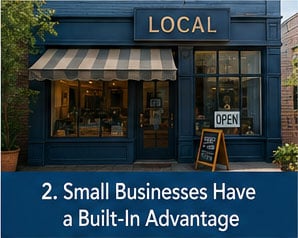
Small Businesses Have a Built-In Advantage

Large companies often struggle with personalization.

Policies, procedures, and layers of management can make customers feel like numbers rather than individuals.

Small businesses, however, have unique advantages:

They Can Build Real Relationships

Customers appreciate being recognized.

Remembering names, previous purchases, birthdays, preferences, or personal details creates a sense of connection that large corporations rarely achieve.

When a customer feels known, they feel valued.

They Can Be Flexible

A large corporation may require approval from multiple departments to solve a customer problem.

A small business owner can often make a decision immediately.

That flexibility allows businesses to exceed expectations and resolve issues quickly.

They Can Be Authentic

Customers can usually tell when a business genuinely cares.

Small business owners often interact directly with customers, creating authentic relationships that build trust and loyalty.
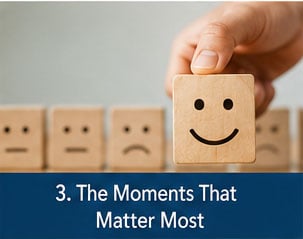
The Moments That Matter Most

Many business owners believe customer experience begins and ends with a sale.

In reality, customers judge your business at every interaction.

Consider these key moments:

First Impressions

Your website, social media pages, signage, cleanliness, and customer greeting all create immediate impressions.

People often decide how they feel about a business within seconds.

Ask yourself:

  • Is my business welcoming?
  • Is my website easy to navigate?
  • Are customers greeted promptly?
  • Does my brand appear professional?

During the Sale

The purchasing process should feel easy and enjoyable.

Customers appreciate businesses that:

  • Listen carefully
  • Answer questions thoroughly
  • Provide honest recommendations
  • Respect their time
  • Avoid high-pressure tactics

After the Sale

Many businesses disappear once payment is collected.

Exceptional businesses continue the relationship.

A follow-up call, thank-you note, email, or simple check-in can leave a lasting impression.

Customers notice when businesses care about their satisfaction after the sale.

Turning Problems Into Opportunities

No business is perfect.

Mistakes happen.

Orders get delayed. Products fail. Miscommunications occur.

Ironically, some businesses create their strongest customer loyalty when something goes wrong.

Why?

Because customers pay close attention to how problems are handled.

Imagine two scenarios.

In the first, a customer complains and receives excuses, defensiveness, and blame.

In the second, the business apologizes, takes responsibility, and works quickly to make things right.

Which company earns trust?

Customers don’t expect perfection.

They expect accountability.

A well-handled mistake can create more loyalty than a flawless transaction.

The Power of Personalization

People love feeling special.

Simple personalization can dramatically improve customer experience.

Examples include:

  • Remembering customer names
  • Sending birthday messages
  • Following up on previous conversations
  • Recommending products based on past purchases
  • Thanking repeat customers personally

These gestures may seem small, but they create emotional connections that customers remember.

The goal is not to impress customers with grand gestures.

The goal is to make them feel important.
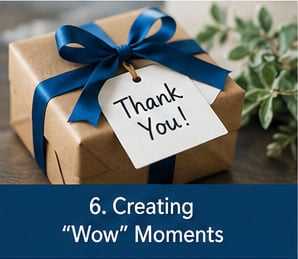
Creating “Wow” Moments

Customers expect good service.

They don’t expect surprises.

That’s where “wow” moments come in.

A wow moment is an unexpected experience that exceeds expectations.


Examples include:

  • A handwritten thank-you note
  • A complimentary upgrade
  • Delivering a product personally
  • Following up after a service visit
  • Celebrating a customer’s milestone

These experiences often become stories customers share with friends, family, and colleagues.

And every shared story becomes free marketing.

The Referral Connection

Referrals are often the most valuable source of new business.

Why?

Because people trust recommendations from people they know.

Customer experience directly impacts referrals.

Think about the businesses you recommend most often.

They’re probably not the cheapest.

They’re the businesses that consistently exceed expectations.

Customers rarely refer average experiences.

They enthusiastically refer exceptional ones.

If you want more referrals, focus less on asking for them and more on earning them through outstanding customer experiences.
Building a Customer-Centered Culture

Great customer experiences don’t happen accidentally.

They become part of a company’s culture.

Business owners should ask:

  • Do employees understand our customer service standards?
  • Do we reward excellent customer care?
  • Do we empower employees to solve problems?
  • Do we regularly seek customer feedback?

Every employee contributes to the customer experience.

A friendly receptionist, helpful salesperson, attentive technician, or responsive manager can all strengthen customer loyalty.
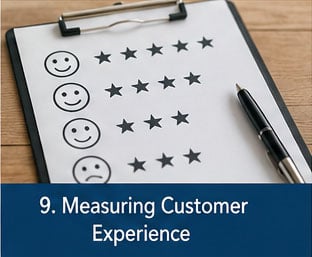
Measuring Customer Experience

You can’t improve what you don’t measure.

Consider asking customers:

  • How satisfied were you?
  • Would you recommend us?
  • What could we improve?
  • What did we do particularly well?

Feedback provides valuable insight and often reveals opportunities for improvement that business owners may overlook.

Listen carefully.

Your customers are often your best consultants.
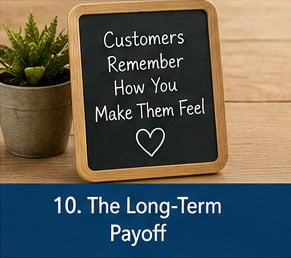
The Long-Term Payoff

Exceptional customer experiences create:

  • Repeat business
  • Higher customer retention
  • Positive online reviews
  • More referrals
  • Increased revenue
  • Stronger reputation
  • Greater trust

Most importantly, they create loyal customers who continue choosing your business even when competitors offer lower prices.

That’s a competitive advantage no discount can easily overcome.

Final Thoughts

Products can be copied.

Services can be duplicated.

Prices can be matched.

Leave a Reply

Your email address will not be published. Required fields are marked *

The Customer Experience Advantage How Small Businesses Can Outshine the Big Guys

By Deb Ammerman

Imagine walking into two different businesses.

In the first, no one acknowledges you. Employees seem distracted. Questions are answered with one-word responses. You leave feeling like just another transaction.

In the second, you’re greeted by name. Someone remembers your last visit. They ask about your family, your business, or the project you mentioned months ago. When you leave, you feel valued, appreciated, and eager to return.

Which business gets your loyalty?

The answer seems obvious, yet many business owners focus so heavily on products, services, pricing, and marketing that they overlook one of the most powerful competitive advantages available: customer experience.

For small businesses, customer experience isn’t just important—it’s often the secret weapon that allows them to compete against larger companies with bigger budgets, larger staffs, and more resources.

The good news? Creating an exceptional customer experience doesn’t require millions of dollars. It requires intention, consistency, and a genuine commitment to making customers feel valued.

The Customer Experience Advantage How Small Businesses Can Outshine the Big Guys

Today’s consumers have more choices than ever before.

They can shop online, compare prices instantly, read reviews, and find alternatives with just a few clicks.

If price were the only factor, most small businesses would struggle to compete against giant corporations. Fortunately, customers often choose businesses based on something far more powerful than price.

They choose how a business makes them feel.

People remember experiences long after they forget prices.

Think about your favorite restaurant, salon, mechanic, or local shop. Chances are your loyalty isn’t based solely on cost. It’s based on trust, familiarity, convenience, and the feeling that someone genuinely cares about your business.

Those emotional connections create customer loyalty that competitors find difficult to break.

The Story of Two Hardware Stores

Consider a fictional example.

Jim owns a small neighborhood hardware store. A large national chain opens just two miles away. The chain offers lower prices, larger inventory, and aggressive advertising.

Many local business owners would panic.

Instead, Jim focuses on customer experience.


When customers enter his store, employees greet them personally. Staff members walk customers directly to products rather than pointing down an aisle. They offer advice, answer questions, and help customers solve problems.

One elderly customer struggles to load heavy bags of mulch into her car. Jim personally helps her and refuses a tip.

A few days later, she tells five friends about her experience.

Within months, Jim notices something interesting. While some customers visit the chain store, many continue returning to his business because they appreciate the personal attention.

The chain sells products.

Jim creates experiences.

Guess which business develops loyal customers who gladly refer others?

Small Businesses Have a Built-In Advantage

Large companies often struggle with personalization.

Policies, procedures, and layers of management can make customers feel like numbers rather than individuals.

Small businesses, however, have unique advantages:

They Can Build Real Relationships

Customers appreciate being recognized.

Remembering names, previous purchases, birthdays, preferences, or personal details creates a sense of connection that large corporations rarely achieve.

When a customer feels known, they feel valued.

They Can Be Flexible

A large corporation may require approval from multiple departments to solve a customer problem.

A small business owner can often make a decision immediately.

That flexibility allows businesses to exceed expectations and resolve issues quickly.

They Can Be Authentic

Customers can usually tell when a business genuinely cares.

Small business owners often interact directly with customers, creating authentic relationships that build trust and loyalty.

The Moments That Matter Most

Many business owners believe customer experience begins and ends with a sale.

In reality, customers judge your business at every interaction.

Consider these key moments:

First Impressions

Your website, social media pages, signage, cleanliness, and customer greeting all create immediate impressions.

People often decide how they feel about a business within seconds.

Ask yourself:

  • Is my business welcoming?
  • Is my website easy to navigate?
  • Are customers greeted promptly?
  • Does my brand appear professional?

During the Sale

The purchasing process should feel easy and enjoyable.

Customers appreciate businesses that:

  • Listen carefully
  • Answer questions thoroughly
  • Provide honest recommendations
  • Respect their time
  • Avoid high-pressure tactics

After the Sale

Many businesses disappear once payment is collected.

Exceptional businesses continue the relationship.

A follow-up call, thank-you note, email, or simple check-in can leave a lasting impression.

Customers notice when businesses care about their satisfaction after the sale.

Turning Problems Into Opportunities

No business is perfect.

Mistakes happen.

Orders get delayed. Products fail. Miscommunications occur.

Ironically, some businesses create their strongest customer loyalty when something goes wrong.

Why?

Because customers pay close attention to how problems are handled.

Imagine two scenarios.

In the first, a customer complains and receives excuses, defensiveness, and blame.

In the second, the business apologizes, takes responsibility, and works quickly to make things right.

Which company earns trust?

Customers don’t expect perfection.

They expect accountability.

A well-handled mistake can create more loyalty than a flawless transaction.

The Power of Personalization

People love feeling special.

Simple personalization can dramatically improve customer experience.

Examples include:

  • Remembering customer names
  • Sending birthday messages
  • Following up on previous conversations
  • Recommending products based on past purchases
  • Thanking repeat customers personally

These gestures may seem small, but they create emotional connections that customers remember.

The goal is not to impress customers with grand gestures.

The goal is to make them feel important.

Creating “Wow” Moments

Customers expect good service.

They don’t expect surprises.

That’s where “wow” moments come in.

A wow moment is an unexpected experience that exceeds expectations.


Examples include:

  • A handwritten thank-you note
  • A complimentary upgrade
  • Delivering a product personally
  • Following up after a service visit
  • Celebrating a customer’s milestone

These experiences often become stories customers share with friends, family, and colleagues.

And every shared story becomes free marketing.

The Referral Connection

Referrals are often the most valuable source of new business.

Why?

Because people trust recommendations from people they know.

Customer experience directly impacts referrals.

Think about the businesses you recommend most often.

They’re probably not the cheapest.

They’re the businesses that consistently exceed expectations.

Customers rarely refer average experiences.

They enthusiastically refer exceptional ones.

If you want more referrals, focus less on asking for them and more on earning them through outstanding customer experiences.

Building a Customer-Centered Culture

Great customer experiences don’t happen accidentally.

They become part of a company’s culture.

Business owners should ask:

  • Do employees understand our customer service standards?
  • Do we reward excellent customer care?
  • Do we empower employees to solve problems?
  • Do we regularly seek customer feedback?

Every employee contributes to the customer experience.

A friendly receptionist, helpful salesperson, attentive technician, or responsive manager can all strengthen customer loyalty.

Measuring Customer Experience

You can’t improve what you don’t measure.

Consider asking customers:

  • How satisfied were you?
  • Would you recommend us?
  • What could we improve?
  • What did we do particularly well?

Feedback provides valuable insight and often reveals opportunities for improvement that business owners may overlook.

Listen carefully.

Your customers are often your best consultants.

The Long-Term Payoff

Exceptional customer experiences create:

  • Repeat business
  • Higher customer retention
  • Positive online reviews
  • More referrals
  • Increased revenue
  • Stronger reputation
  • Greater trust

Most importantly, they create loyal customers who continue choosing your business even when competitors offer lower prices.

That’s a competitive advantage no discount can easily overcome.

Final Thoughts

Products can be copied.

Services can be duplicated.

Prices can be matched.